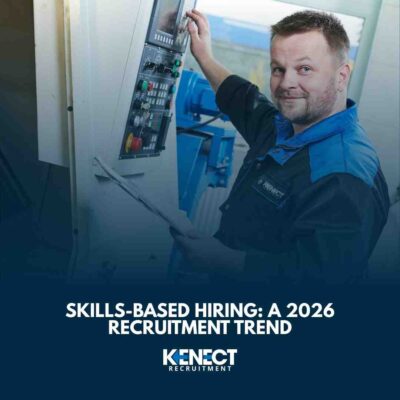
In 2026, the landscape of UK recruitment is shifting away from a heavy trend on academic credentials toward a skills-first hiring model that prioritises demonstrable ability and potential over traditional qualifications. Employers increasingly recognise that degrees and long job histories don’t always predict success in dynamic roles, and are instead turning to evidence of practical skills and competencies to find the right people for the job.
According to industry research, 83 % of UK employers now prioritise skills-based hiring over formal qualifications, signalling a clear move towards a more inclusive, capability-focused approach. This trend not only helps organisations fill vacancies more effectively, but also opens opportunities to a wider and more diverse talent pool.
Skills-based hiring works by evaluating candidates on what they can do – rather than where they studied or how long they have worked. Instead of filtering applicants by degree requirements, many organisations use practical assessments, structured job simulations, work samples, technical tests, and competency-based interviews to measure capability. This allows hiring teams to make decisions based on real evidence of performance and reduces reliance on outdated proxies for ability.
What are the benefits of “Skills-Based Hiring”?
One of the biggest benefits of this shift is its impact on workforce diversity and inclusion. By removing unnecessary academic barriers, employers can attract talented individuals from non-traditional backgrounds, including those with vocational training, micro-certifications, apprenticeships, or real-world experience. These candidates might otherwise be overlooked in traditional degree-centric models despite having the exact skills required.
Skills-based hiring also leads to better hiring outcomes and organisational agility. Employers report improvements in retention, cultural fit, and on-the-job productivity when they hire based on demonstrated skills, rather than formal credentials alone. This is particularly important in sectors experiencing rapid change, where role requirements evolve faster than academic curricula can keep up.
As the UK labour market continues to evolve, companies that embrace skills-first recruitment are not just keeping pace; they’re gaining a competitive advantage by building more competent, adaptable, and diverse workforces. Moving beyond traditional qualifications towards a focus on skills isn’t just a trend; it’s a strategic response to the realities of modern work.
👉 Looking for new work, apply now with Kenect Recruitment.